Why Their Dresses Look Like They Belong on Film
Wiki Article
Why Their Dresses Look Like They Belong on Film
Some dresses look good in photos.
RUNAWAY THE LABEL dresses look like they belong in a scene.
They don’t just exist in a frame—they activate it. The lighting feels intentional. The movement feels choreographed. Even candid moments feel scripted, as if the wearer has stepped into a film rather than an event.
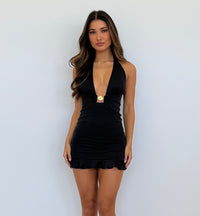
This cinematic quality isn’t accidental. It’s the result of deliberate design choices rooted in how the eye, camera, and human emotion work together.
1. Designed for Motion, Not Stillness
Film is movement. And RUNAWAY THE LABEL designs with motion in mind.
Their dresses often feature:
Flowing hems that react to walking
Slits that reveal rhythm, not exposure
Fabrics that catch light mid-step
Silhouettes that change from every angle
As the wearer moves, the dress evolves. This creates visual continuity—the same way a character feels alive across multiple shots in a movie.
Still fashion looks posed.
Cinematic fashion looks alive.
2. Light-Responsive Fabrics Create Drama
Cameras love contrast, reflection, and depth—and so do RUNAWAY fabrics.
Satins, sheens, and fluid materials interact with light dynamically:
Soft highlights form naturally
Shadows add dimension
Movement creates visual tension
This is why their dresses glow under evening lights and look striking in low-light settings. They don’t flatten on camera—they perform.
3. Silhouettes That Tell a Story
RUNAWAY THE LABEL doesn’t design anonymous shapes. Each silhouette feels intentional, almost narrative-driven.
Common cinematic elements include:
Defined waists that suggest confidence
Long lines that elongate the frame
Strong necklines that frame the face
Balanced drama—never chaotic
These silhouettes resemble wardrobe choices made for film characters: recognizable, expressive, and emotionally readable from a distance.
You don’t just see the dress.
You sense a character.
4. The Power of Controlled Drama
Cinematic fashion is never loud all at once. It builds.
RUNAWAY dresses often balance:
One dramatic element
With restraint everywhere else
A high slit paired with a clean neckline.
An open back balanced by long sleeves.
A bold color anchored by minimal detailing.
This control mirrors film pacing—where tension is revealed slowly, not all at once. That’s why their dresses feel dramatic without ever feeling excessive.
5. How Body Language Becomes Cinematic
Because RUNAWAY dresses are wearable and secure, the wearer relaxes. That relaxation changes body language:
Movements become slower
Gestures feel intentional
Posture looks natural, not forced
On camera, relaxed confidence reads as authenticity. Authenticity is what makes a moment feel cinematic rather than staged.
The dress doesn’t overpower the person—it supports performance.
6. Color Choices That Read Emotion
Film uses color to communicate mood. RUNAWAY does the same.
Their palettes often signal:
Deep tones for intensity
Neutrals for sophistication
Bold colors for presence and power
These colors don’t just flatter skin tones—they evoke emotion on screen. The result feels expressive, not decorative.
7. Why They Photograph Like Film Stills
Put all of this together—movement, light, silhouette, restraint, emotion—and the result is unmistakable.
RUNAWAY THE LABEL dresses:
Don’t rely on posing
Don’t need over-styling
Don’t disappear into the background
They create frames that feel like paused scenes. That’s why photos look less like outfit shots and more like film stills—moments captured mid-story.
RUNAWAY THE LABEL dresses look like they belong on film because they’re designed the way films are made: with movement, emotion, and intention.
Report this wiki page